Drive – A Musical Experience (Perfected)


So my dear friends, allow me to introduce you to the most perfect piece of musical theater ever created. An absolute killer 11’Oclock number to absolutely knock your socks off with some of the best storytelling and craft ever to reach a stage. I’m talking about Drive from The Lightning Thief.

Now, I assume some of you are thinking “Wait, isn’t that the name of that kids book with all the Greek Gods?”. You would be right! The Lightning Thief, also known as The Percy Jackson Musical, is a fantastic adaptation of Rick Riordan’s books.

In the show, the children of Greek gods and humans (halfbloods) attend a summer camp to master their godly gifts. While there our main character Percy, his Satyr friend Grover, and his new friend Annabeth, go on a Killer Quest to retrieve Zeus’ stolen lightning bolt. After they hit the lowest point in their journey Grover begins Drive by telling the trio to buck up and soldier on.

The whole show is a rock solid adaptation, but this song is the highlight. A large chunk of the book is dedicated to the road trip from Camp Halfblood in Long Island to the entrance to Hades, a record company in LA. The musical uses the stage to its advantage, and maintains the integrity of the story through conventions of the medium. While I don’t want to focus on it, the show really is a dam near perfect adaptation of its source material, and the song itself is microcosm of that.

Most of the aforementioned Killer Quest is covered in the course of this song even though it took more than 15 chapters in the book. Not only that, but many of the lyrics are namechecks of chapter names. Instead of long scenes, an encounter with a chimera, a gorgon, Zeus’ storm, the Hoover Dam, Ares, and a Lotus Bed, all occur in 4 and a half minutes. The set pieces are all minimalist and make the montage feel organic and cohesive with the rest of the show.  

Every single lyric and note is packed with information. The pseudo folk sound is absolutely perfect for the unconventional rhyme scheme. I cannot overstate how utterly amazing the lyrics are. Let’s just look at just two lines.

Guys we got this, you ain’t shocked this, yo I know you’re train of thought is that there ain’t no way in Hades that we’ll win.

All your worries come in flurries but we bested freaking furys! Look how far we’ve come we can’t give in.”

The rhyme scheme is so different compared to any of its contemporaries. Unlike the very basic couplets of songs like Defying Gravity from Wicked


“Something has changed within me, something is not the same
I’m through with playing by the rules of someone else’s game
Too late for second-guessing, too late to go back to
sleep
It’s time to trust my instincts, close my eyes, and
leap

or You Can’t Stop the Beat from Hairspray,

“You can’t stop an avalanche as it races down the hill
You can try to stop the seasons, girl but you know you never
will

Drive uses it’s folk edge to support it’s interesting structure. The internal rhyme (rhyming through a line rather than than at the end of it) of the individual lines is so so catchy, but the more traditional couplets that bracket the lines don’t alienate more experienced listeners. The song uses an alternating 2 beat 3 beat rhythm, basically unheard of in the theater scene. The complex scheme of each verse is only augmented by the quickfire topics covered. I’ve never been so fully engaged by an opening line. Each of the other verses (modeled on the same rhyme scheme) all reference relevant pieces of Greek Mythology. Percy, Grover, and Annabeth get to riff off one another with engagain and witty rapport.

It’s also worth noting that this is a very complex internal rhyme scheme for a show aimed primarily at children. Very little children’s media has anything but couplets and iambic pentameter, and this level of rhyme encourages critical thought on language, whether the audience realizes it or not.

This song is fun. So many 11 O’clock numbers from other shows focus on a negative emotional experience. 11 O’clock numbers are numbers toward the end of the show (such that they would be sung around 11 O’clock), and are almost always used as a culmination of a major character arch. From the destroyed mother/son relationship in Dear Evan Hansen (Good for you), to an extra sad™ “I want” song from Cats (Memory) almost all of these show stopping numbers rely on making an audience cry rather than making them feel good for the main characters. Getting to this point in a show and not wanting to cry is so refreshing.

Drive is also one of the most inspirational songs to hit the stage in recent years. The upbeat guitar and stellar poetic elements are part of that, but a large part comes from its specificity. Generic inspirational songs may reach a wider audience, but the level of hope and determination conveyed through these characters has a lasting impact. While Memory may be meaningful outside the show, Drive is the perfect culmination of emotional arcs.

I love this song. It exemplifies everything that can be done with the medium and cares deeply about it’s audience. So “pedal to the metal and drive!”
TED Talks

I find myself wanting to be more in my niche. It’s pretty rare I go out of my way to watch TED talks, and when I do I usually already have some connection the the speaker or the topic (Caitlin Doughty, ). I’m aware that’s limited, but longform lecture is difficult to remain invested in if I don’t already have interest in the topic at hand.

The more emotional talk (Murphy) grabbed me much faster, but I also work with architects so I already had a baseline. Ogbu’s black sheep analogy made me curious, but not enough to be completely hooked. I found my attention wavering from Adegbeye’s talk rather quickly, as I felt lost due to the totally foreign concept straight off the bat.

The cleanest segue from opener to thesis is Murphy, as he moves from personal connections to his ideas on architecture more organically, but Ogbu has a more compelling story overall. While Adegbeye’s talk is the most impactful, but as I said, the opening wasn’t enough keep me interested.

All three tell a story, they give you a loose narrative to tie facts and figures to. They use people to clarify a nebulous subject, and use their humanity to make the lecture more interesting.

The rest of the drafts


Neo-Nazi and fascist ideologies are on the rise in modern America. From the riots in Charlottesville, to theactive online presence of white nationalists, a clear problem is resurfacing. Who are these Nazis? Where do they come from? Do they deserve sympathy (No)?  Do they deserve respect (Also No)? How do they impact the media sphere?

A fascist reading of any text can provide a multitude of interesting interpretations as well as pose an ethical quandary; is representation of Nazi ideology ethical? In looking at several examples of popular media, we can examine the effects of semitic coding, implicit and explicit Nazi iconography, and undeserved redemption.

The following examples all serve to show the influence of the media sphere on Neo-Nazi ideology:

Superman: Implicit Nazi iconography and blatant antisemitism

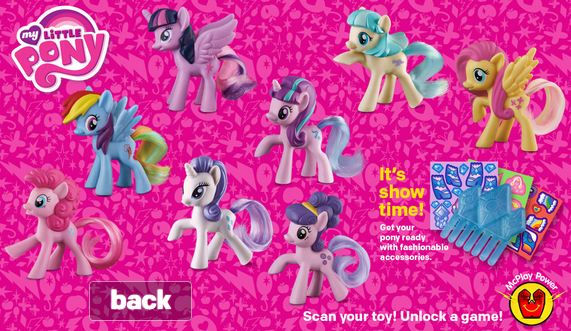
My Little Pony: Forgiveness is undeserved

Cabaret: Explicit anti-fascism still draws a fascist audience

The Wizard of Oz: Coded antisemitism in media


These call into question not the ethicality of Nazis, but the portrayal of any type of media when interpreted by fascists.

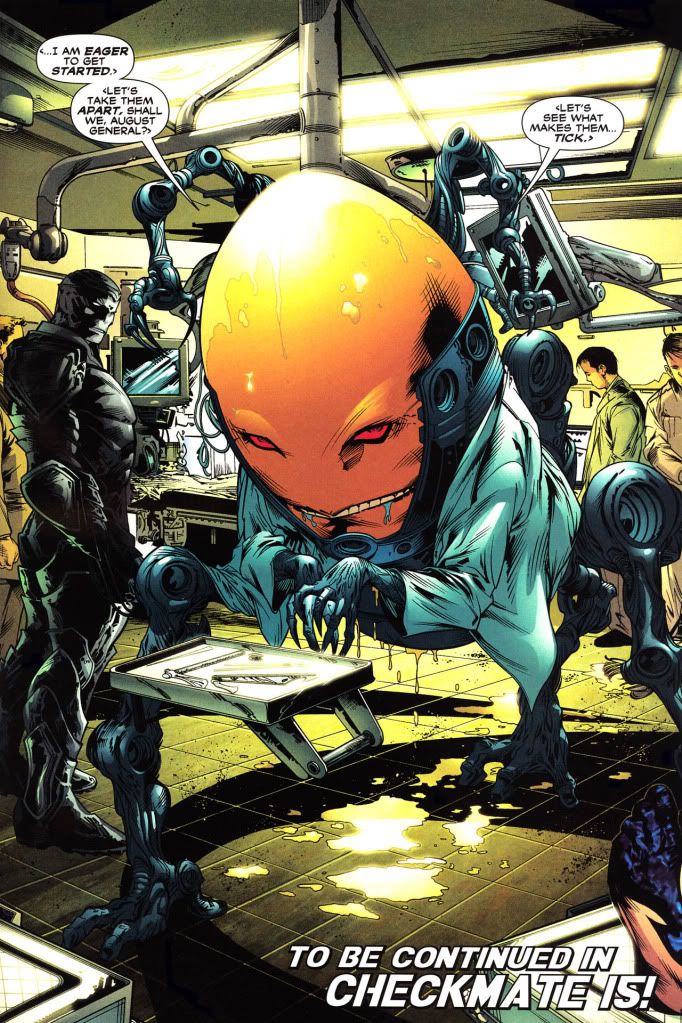
God awful things I found/did/whatever while researching for the Nazi post

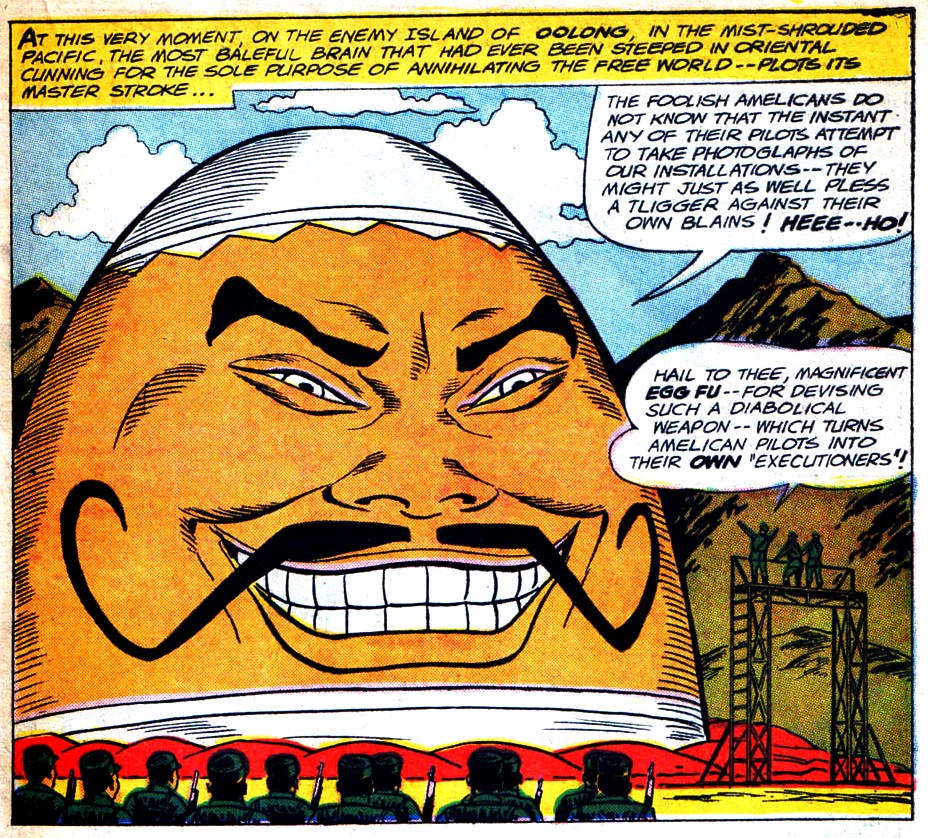
Egg Fu a Monstrosity

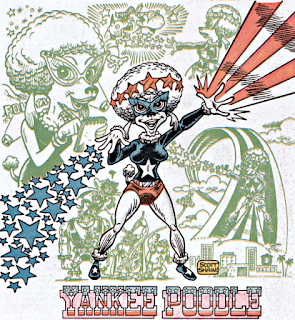
Yankee Poodle?????

Comet the Superhorse???? The whole article is a trip.

B’Wanna Beast I love comics so so much

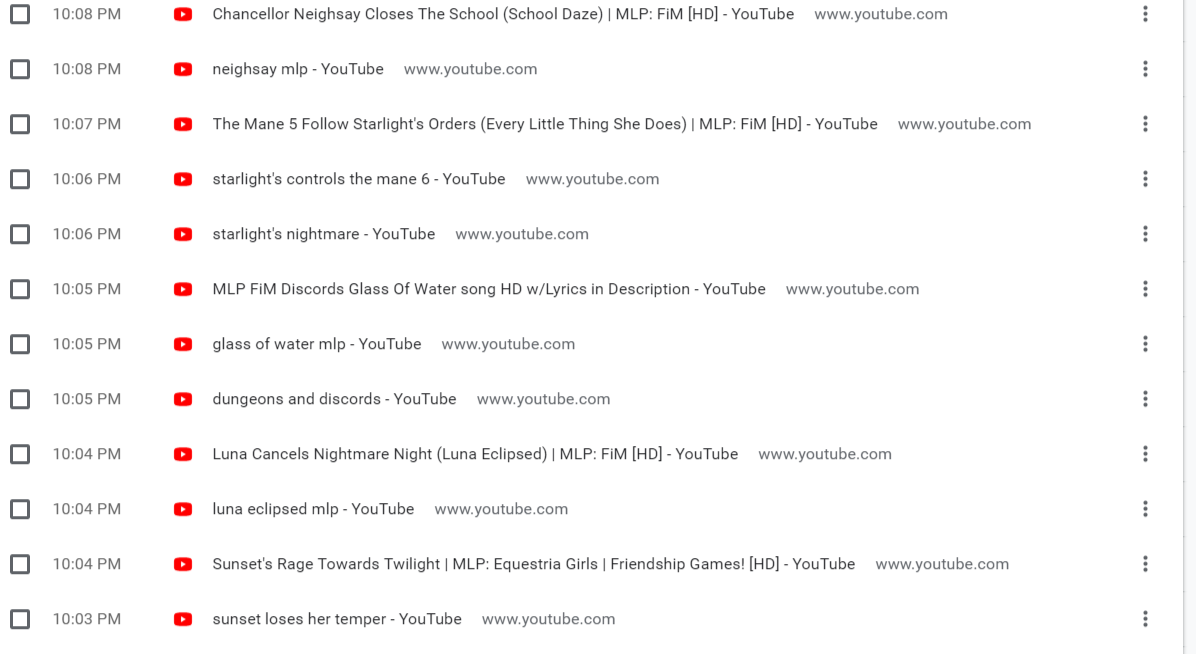
The death of my youtube recommendations

I just want to go to bed why is this a THING

Trying to remember the name of anything in the Oz books is a herculean task lemme tell ya. I was trying to remember the name of a character. Her name is Jinjur. Who SPELLS things that way??? See also: King Krewl, Jellia Jamb, Soldier with the Green Whiskers, Mr. Yoop, Blinken, Dr. Pipt, Ku-Klp, and about 300000000 others.

Modern Nazis and Pop Culture: An Examination of Fascist Media Tropes – The Wizard of Oz

The Wizard of Oz was not written by a Nazi, contrary to popular belief. L. Frank Baum was a man of his time, thoughts on race included, so it shouldn’t be a surprise that much of his work contains racist,agest, sexist, and all around old fashion ideas. However by looking at how the works of Oz have changed over time, we see how racial coding impacts the reception of a work.

In 1900 Baum wrote The Wonderful Wizard of Oz and while it is generally believed to discuss the socio economic fluctuations of a bimetallic economy in the late 1800s, whether there is intentional allegory at all is a contentious point. The perceived allegorical statements of the book are in line with Baum’s liberal use of coding, or shorthand character signifiers. This type of coding has some unfortunately racist outcomes that fundamentally alter thematic elements of the story.  

The Winkies (See Figure 5), a fictional race that resides in the Ozian east (See Figure 6), are slaves to the Wicked Witch of the West, which Baum mentions no less than 4 times. They are described as yellow skinned, cowardly, and big nosed. On the day they are freed from subjugation they dance, sing, and feast, then keep the day as a holiday. All of these are thinly veiled references to the Jewish public interacts with semetic ideals.

     Figure 5          Figure 6

Their appearance is toned down significantly in the movie adaptation, as visual mediums can’t portrayed as weak. While the level of coding differs, the ideals are still part of their time.

The Wiz is almost a step forward. It’s lengthy scene where the wicked witch lords over her sweatshop workers is tonally… bad, but lacks the insidious subliminal messaging of its predecessors, likely due to its writers own experience with prejudice.

We see the first active subversion of the trope with 1995’s Wicked: The Life and Times of the Wicked Witch of the West by Gregory Maguire. The western country of Oz is no longer the “Winkey Country”, but the Vinkus (See Figure 7), a region whose inhabitants are coded starkly Native American.

Figure 7

The Wicked witch’s love interest, Fiyero, is the prince of the Vinkus. He has cultural tattoos, ceremonial garb, and has notably dark skin. The whole book is dedicated to anti-fascism but instead of the Winkies being a stand in for oppressed people, Animals (with a capital letter) like the cowardly Lion, are the subjugated race. Fiyero himself faces microaggressions, but never realizes the full extent of the problem until he witnesses the beating of an innocent Bear cub. This shift in textual coding proves relevant to the thematic changes. Fiyero is a displaced king of a dying people. He dies for finally defending the rights of the damned.

Wicked the musical, Oz the Great and the Powerful, The Muppets Wizard of Oz, and most of the other intermittent Oz adaptations have no detailed portrayal of the Winkies. While most feature the Witch, they use the flying monkeys as stand in slaves, rather than deal with the consequences of the negative stigma coded into the source material.

While coding may seem innocuous, it isn’t made in a contextless vacuum. Using this type of thinly veiled language is an easy way to propagate existing hate, and frame dissenters as a oversensitive. Hatred seeps from most types of coding, and leaves a story poorer for it.

Modern Nazis and Pop Culture: An Examination of Fascist Media Tropes – My Little Pony

My Little Pony: Friendship is Magic is a children’s cartoon based on the popular horse toys from the 1980s. While the cartoon has had several incarnations, the most recent generation is the first to have asubstantial adult following. It follows the adventures of 6 ponies navigating interpersonal relationships in their vast fantasy world of Equestria. The show focuses heavily on the lessons it teaches, basing many of its decision in educating a young audiences.

The series has a rather large cast of world conquering villains. To date there have been 12 major evildoers (major meaning they attempted to take over Equestria). Of those 12, 7 have ultimately been redeemed. While redemption (especially redemption of toyetic characters) isn’t uncommon in children’s media, it’s rare such despicable characters are given no punishment for unthinkable actions.

The seven redeemed villains Nightmare Moon, Discord, Sunset Shimmer, Starlight Glimmer, The Pony of Shadows, Tempest Shadow, and Chancellor Neighsay all did objectively evil things, but while some of them have properly framed redemption arcs, several have their horrific acts swept under the rug in favor of a hasty atonement (More detailed explanation here). Because the target audience is comprised of mainly children, it is especially important to not impart damaging lessons, and in today’s world full of evil and unforgivable people the worst lesson a writer could possibly teach is misplaced forgiveness.

The three redemptions that work (and don’t teach utterly abysmal lessons), are those of Nightmare Moon, Discord, and Sunset Shimmer. All three of these characters face consequences for their actions, are framed with more fantastical elements, and show a logical progression in their moral philosophy.

The other four villains all fail not only as characters, but also as vehicles to deliver messages. With the exemption of Chancellor Neighsay, they are all worse versions of a successful counterpart. Starlight Glimmer is a worse version of Sunset Shimmer, the Pony of Shadows is a worse version of Discord, and Tempest is a worse version of Nightmare Moon.

All three of the good characters are forgiven based on the quality of their personal growth, and their willingness to change. It’s worth noting that all of them must learn what the show calls “Friendship Lessons”. Sunset can’t always control her temper, Nightmare Moon is tempted to abuse her power, and Discord still tries to manipulate other creatures, but they show tangible change with each appearance.

These three exemplify proper restitution in the face of poor decisions.The four poorly written characters all receive penance with no improvement. They are given forgiveness on the basis of their empty promises rather than their actions, and frequently relapse into harmful behavior, but receive no criticism or even get praised for objectively awful conduct. Starlight continues to use magic to hurt people. Tempest uses her new friends for power. Neighsay is still xenophobic, with only a tinge of remorse. The Pony of Shadows uses his new position to manipulate friendships. None of these characters changed. Without proper setup, motivation, and execution, these villains go against the primary objective of the show, teaching children.

These lessons in redemption are awful. They teach children to forgive without evidence for improvement, and allow for toxic ideology to run rampant in response to pathetic moralizing. Due to the large adult fanbase, and by extension a large group of online content creators, we can see the damaging ideas the show imparts.

In 2018 a “Brony Analyst”, ToonKriticy2k, was accused of grooming underaged girls for sex. The allegations were evidenced by years of screenshots and incriminating skype calls. Once all of the evidence was available to the public,  While this is horrific, the surge of content creators gaslighting the victims, calling for forgiveness, and steadfastly refusing to eliminate his presence is nothing short of repugnant. A literal pedophile was allowed to remain friends with his colleagues because “forgiveness is always best”. By this logic why wouldn’t the MLP community forgive Neo-Nazis? Why bother to eliminate violently transphobic, racist, bullies when forgiveness is the only answer?

Modern Nazis and Pop Culture: An Examination of Fascist Media Tropes – Superman

Injustice: Gods Among Us is a comic book based on the popular video game of the same name. Clark Kent is tricked by The Joker into murdering his pregnant wife, Lois Lane, and killing all the citizens of Metropolis. Superman kills The Joker and proceeds to make a crime free world by becoming a fascist dictator.

The whole comic (all 148 issues) is rife with gross implications, the most egregious being the portrayal of Superman. Not only do the artists use tacit Nazi symbolism to show Clark’s misdeeds (See Figures 1,2), but the story goes to great lengths to show this evil Superman as a good person prior to his trauma (See Figure 3). In addition, a subplot of the Year 2 storyline includes Superman gaining access to a yellow lantern ring, a weapon used to rule by fear. This paints the I:GAU Superman as a fear-mongering dictator with a super weapon and horrific moral philosophy.

   Figure 1

    Figure 2 Figure 3

While this is lazy and out of character in terms of basic storytelling, the hateful rhetoric goes far deeper.

In 1938 Superman was created as by Jerry Siegel and Joe Shuster, 2 Jewish American comic artists. Both were children of European immigrants who fled to America in fear of the German political climate. Superman was expressly designed as an allegory for Jewish immigrants. While textually Christian to appeal to a larger audience, Superman was created by oppressed Jews, for oppressed people.

Changing that character to torpid Hitler analogue is not only disrespectful, it actively goes against the very idea of Superman.

The blatant disregard for the history of Superman, coupled with the gleeful use of quasi swastikas, conservative moralizing, and quite literal fear mongering is a direct statement of anti semitic feelings, and the writers aren’t alone. There are countless (1234) forms debating the ethicality of Superman’s decisions and sympathising with his plight. The man is a mass murderer who killed a 9 year old boy on screen (Shazam is a 10 year old in a grown body), any sympathy should have died with Green Arrow.  

I:GAU’s main problems lie in it’s disgusting use and normalization of Nazi ideology, but it also has problems with sympathy and redemption. Through the whole story we are made to feel bad for not only Superman, but all of the heroes who joined the Regime. Sympathetic portrayal of Nazis is actively irresponsible on the part of the creator, but gives Nazis and their sympathizers power.

Modern Nazis and Pop Culture: An Examination of Fascist Media Tropes – Cabaret

Cabaret the movie musical may take some liberties from its source material, but it certainly doesn’t shy away from the anti-fascist themes of the original. One of the more remembered scenes is Tomorrow Belongs to Me. A soft ballad about the promise of a brighter future.

Sung by an actual Nazi.

As the song continues, the audience joins the choir and supports the now darker lyrics. Tomorrow belongs to the white children. Tomorrow belongs to those in power. They stand and salute the idea.

The stand and salute the Nazi party. It’s an evocative image that uses the earnest patriotism to paint a unique picture of pre WWII Germany. Make no mistake, the rest of the show uses the romance centered plot to condemn this behavior. Nazis are the evil in Cabaret, the evil in WWII, and an evil force now.

Despite this irrefutable fact, Alt-Right groups adopted Tomorrow Belongs to Me as an anthem. The comment section of the video is rife with awful

Awful

Awful

Awful

Neo-Nazi comments.

There is a sinister undertone to these events. Even text with an anti-fascist message can be used as part of the alt-right propaganda machine. From what it seems any depiction of Nazis could result in praise and worship from the alt-right, those attempting to condem Nazis could be an unwilling participant in a new trend. Tomorrow Belongs to Me was written by gay Jewish man, but Nazis still useit. How can we defame Nazi ideals when there is no certainty in the interpretation? Creators can never be sure that their work will remain as they intended.

Nazism in America

An exploration of modern Nazism and connections to modern media.

The night thousands of Nazis packed Madison Square Garden for a rally — and violence erupted

(Washington Post)

This article details a Nazi rally in Madison Square Garden in 1939. The arduous and detailed summary talks about how sycophantic American Nazis were in their beliefs. It ends with the promise of winning the fight, be it against Hitler or against modern Alt-Righters.

As it was published November 2018, it heavily implies how American anti-semitisim is far from a new thing, and that the battle is far from over.

American Nazis and Nazi Sympathyzers Have Been Around Since the 1930’s (Teen Vogue)

A more explicit statement of the implications of the first article.

Pittsburgh Shooting Suspect Had Flyer Supporting Neo-Nazi Group, Officials Say (Frontline/PBS)

A factual report of Neo-Nazi connections to acts of terrorism.

How do American youth become neo-Nazis? (AJC)

An article looking to shed light on how social isolation leads to joining these fringe political groups.

Where do Neo-Nazis come from?

Origins of Neo-Nazi and White Supremacist Terms and Symbols (Holocaust Museum)

What do you do when your neighbor is a Neo-Nazi? (CNN)

Frontline offers chilling portrait of rising neo-Nazi movement in U.S. (Baltimore Sun)

Can We look at Nazi’s sympathetically? A Jewish opinion.

Sympathy for the Nazi?

Pop Culture Connection

Tomorrow Belongs to Me

 – I mean duh.

 – Use of Nazi iconography in explicitly anti-fascist stories.

Steven Universe + Redeemable Nazis

 – Redemption of Fascist characters

The Winkies in the Wizard of Oz

 – They have yellow skin and big noses. Idk what to tell ya.

 – Judaic coding in prejudice driven stories

Anti-Semitic Superman 1

 – Superman being surrounded by Nazi Imagery

 – Use of Nazi iconography in explicitly anti-fascist stories.

Assignment

Musicals, a combination story and poetry. Where is the overlap between devices? How are each of these independent?

Requirements:

Pick at least 3 musicals with exemplary story. Analyze their narrative, tone, theme, character, and pacing. What makes these shows great? How do the songs bolster the story?

Pick at least 3 songs that have exemplary lyrics. What poetic devices do they use to enhance the song? How do they subvert or alter traditional poetic techniques? How do those devices contribute to narrative, tone, theme, character, or pacing?

Pick at least one musical that was adapted from another medium (a movie, book, tv show, video game, comic,  ect) and compare the story. What changed? Why did it change? Did the songs impact the narrative, tone, theme, character, or pacing? Use previous examples and comparisons to support your findings.

Points to consider:

  • An adaptation can be vague. The Lion King is an adaptation of Hamlet, A Very Potter Musical is an adaptation of Harry Potter etc.
  • It’s important to not answer the 3 questions individually but talk about them all together. You don’t want to list and analyze 3 songs, then shows, then adaptations, make the piece feel cohesive.
  • Quality is no issue. If you find a song, story, or adaptation worthy of speaking on, it’s worth putting in your piece, even if the source is lackluster.
  • Don’t forget to generalize, not everyone knows every musical.